For parents
6 min readChoosing online Qur’an classes for kids
Choose online Qur’an classes for your child with confidence. Learn what to ask about teaching, home practice, schedules, fees, privacy and safeguarding.

In this guide
When you look for Qur’an lessons for your child, you’re thinking about more than a class time. You want them to learn Allah’s words carefully, feel comfortable asking for help and grow in understanding of what they recite.
Online lessons can fit around family life, but it’s worth asking how the teaching actually works. A patient explanation when your child hesitates can tell you more than a list of promises about how quickly they will finish.
Look for teaching that welcomes your child
The Prophet ﷺ said:
يَسِّرُوا وَلاَ تُعَسِّرُوا، وَبَشِّرُوا وَلاَ تُنَفِّرُوا
Meaning: “Make things easy, not difficult; give glad tidings, and do not drive people away.”
Sahih al-Bukhari 69. English rendering of the meaning.
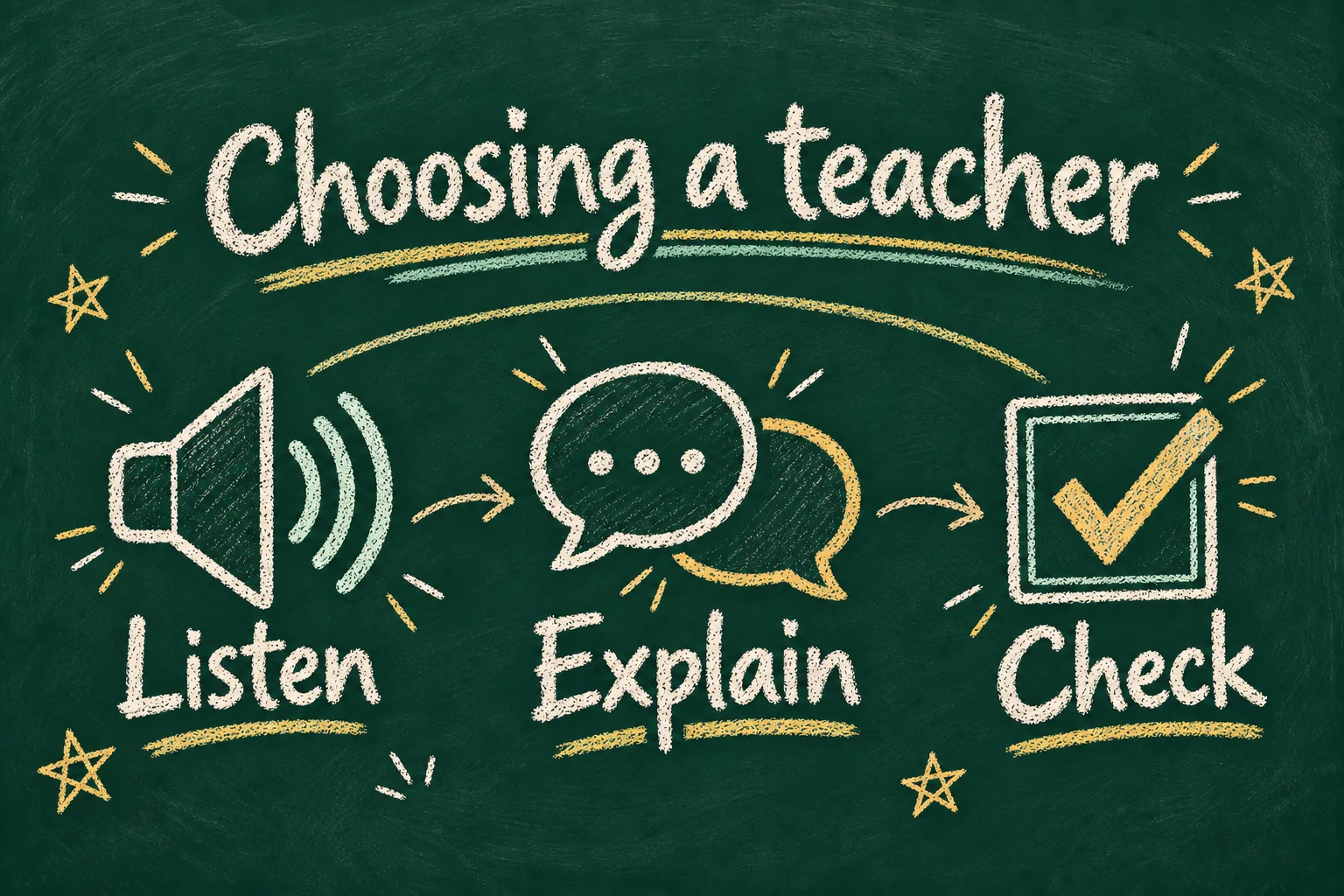
That guidance should matter in how we introduce children to religious learning. Look for a teacher who can explain clearly, allow another attempt and help your child feel able to ask a question.
Careful correction belongs in that welcoming setting. Watch what happens when a word is difficult: does the teacher show your child what to change and listen as they try again? Kindness should be visible in those moments.
Tell the teacher a little about your child
Explain what they’ve learned before and what you’d like help with. They may be recognising letters, joining words, improving recitation or beginning memorisation. Children of the same age can have different starting points.
Mention the language they understand and anything that helps them settle into a lesson. If they’re shy, ask how the first meeting gives them time to become comfortable.
Find out how the teacher will hear their reading or check the letters they recognise. Afterwards, you should have a clearer idea of where the lessons will begin.
Ask how learning will connect to faith and meaning
In the Qur’an, Luqman advises his son about prayer with an affectionate address:
يَا بُنَيَّ أَقِمِ الصَّلَاةَ
“O my dear son! Establish prayer”
Qur’an 31:17, excerpt. Translation: Dr. Mustafa Khattab, The Clear Quran.
The subject here is prayer. The way Luqman addresses his son gives us something to reflect on when guiding our own children in faith: religious instruction can be serious and caring together.
Ask how a class introduces the meaning of a passage in language your child understands. How will the teacher help them see why they are learning the Qur’an and how it relates to worship? That may begin with a simple explanation, rather than expecting a young child to follow a long lesson in tafsir.
See what your child takes away from a lesson
If a trial or observation is available, ask what it includes and whether there is a fee. Notice whether your child has time to respond and understands the explanation.
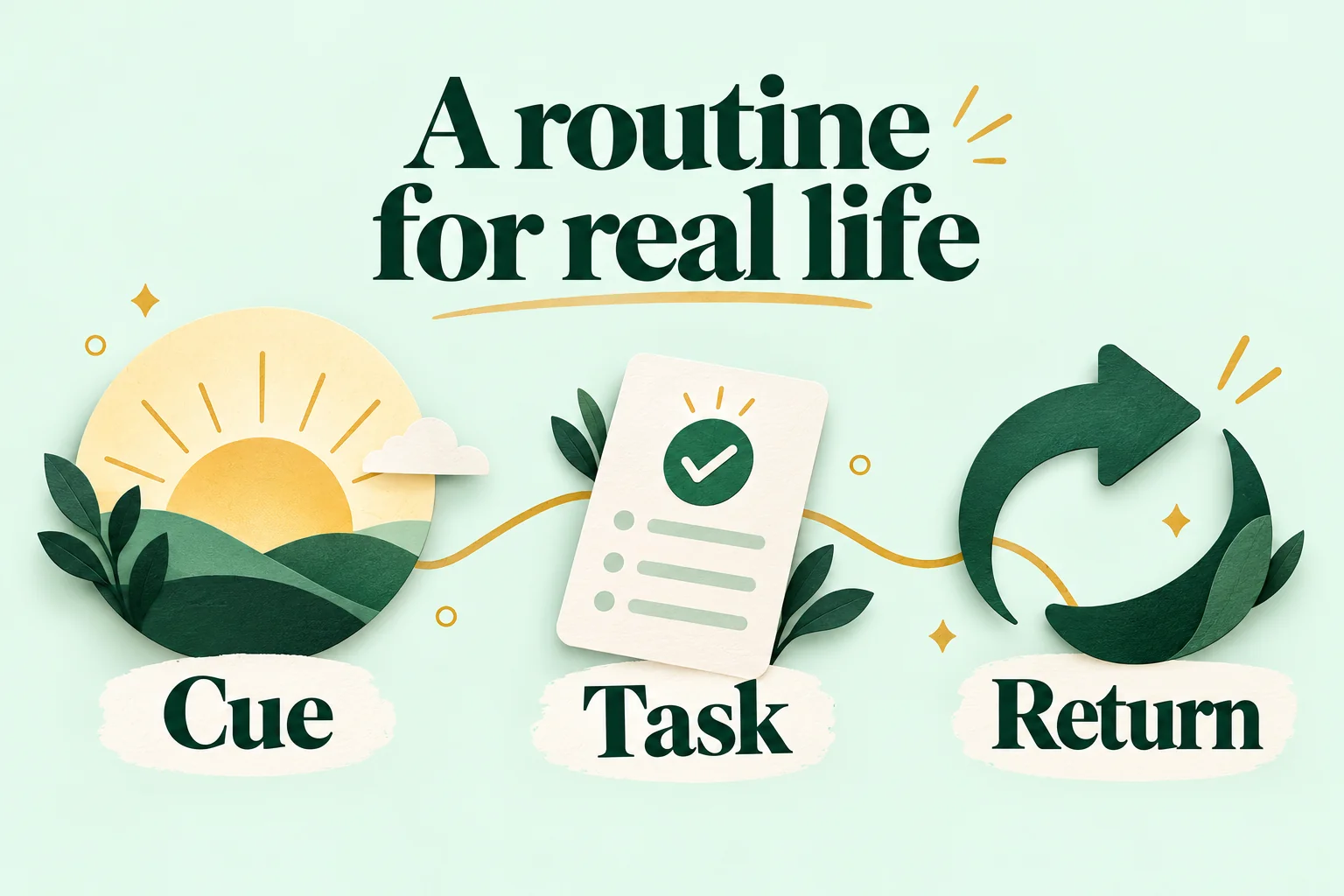
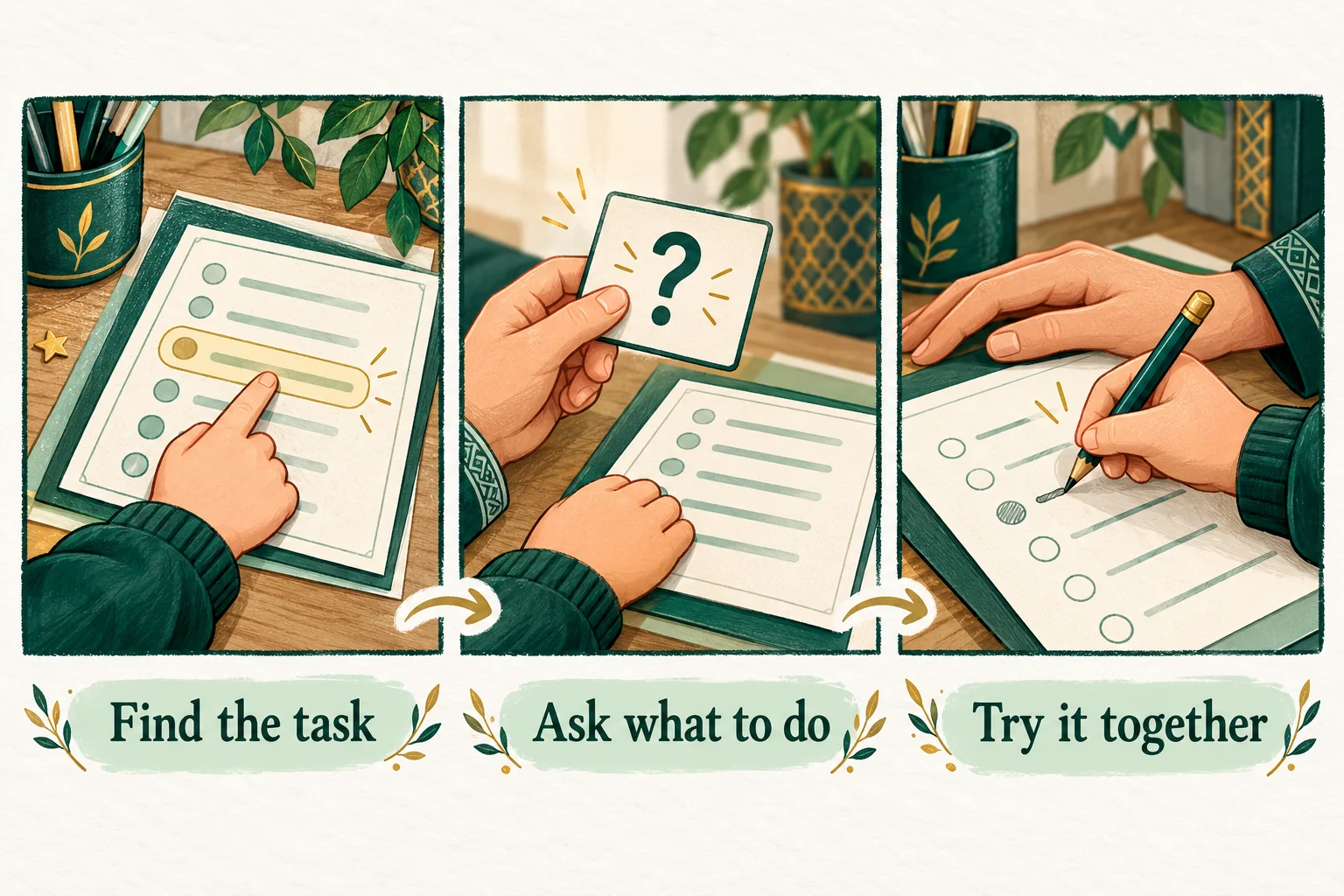
Afterwards, ask them to show you what they will practise. If neither of you can find or understand the task, ask for clarification. You will need that guidance between classes.
Find out how the teacher shares passages and corrections, and who you can contact when something stays difficult. If another teacher covers a lesson, ask how they will know where your child left off.
Our guide to helping your child practise without pressure explains how to use the guidance at home.
Make sure the arrangements fit your family
School, meals and rest all affect how a child arrives at class. Look for a time they can usually give attention, and get the relevant terms in writing before paying.
| What you’d like to know | A question you can ask |
|---|---|
| Class format | Will my child learn individually or with others, and how is recitation time shared? |
| Teachers | Who will usually teach them, and what happens if that teacher is unavailable? |
| Times | Which time zone applies, and how are holidays or clock changes handled? |
| Home practice | What will they practise, and how much help should I give? |
| Cost | What is included, and are there extra charges for materials or assessments? |
| Missed lessons | What happens if we miss a class or need to change the arrangement? |
You don’t need every answer in one call. Follow up on anything unclear. Our guide to choosing a Qur’an teacher includes questions about teaching background too.
Ask about privacy and safety
Find out which platform is used and who can contact your child. If sessions are recorded, ask why, who can see them, how long they are kept and how consent is handled.
Ask about safeguarding and where to report a concern. Teacher qualifications and a warm lesson do not replace clear answers about safety.
At home, choose a shared or supervised space appropriate to your child’s age and needs. Keep lesson links private and ask what parental presence the provider expects.
Help them arrive ready to learn
Test the microphone and speakers so the teacher can hear your child’s recitation clearly. Put their materials nearby and close unrelated tabs or notifications.
A younger child may need help finding the page or using the device. Agree how to assist without supplying every answer, so the teacher can hear their own attempts.
Keep talking as the lessons continue
After a few lessons, notice whether the home task is clear and whether the teacher returns to corrections. Ask your child what they’ve understood and what they want help with.
If the schedule is tiring or practice has become upsetting, tell the teacher. Describe what happens at home and ask what they notice in class. Your child’s relationship with learning deserves attention alongside the pages they complete.
You can explore the academy’s family page and see how lessons work as you consider the support your family needs.
Questions parents often ask
What age should my child start?
Age alone won’t tell you whether a particular class will suit them. Ask how the teacher checks their starting point and adapts the format to their attention and support needs.
Do I need to stay during class?
Ask the provider’s policy and discuss what your child needs. Younger learners may need practical help. Agree how to supervise while allowing the teacher to hear their own reading.
How should I compare prices?
Check lesson length, individual or shared teaching, feedback, materials and cancellation terms. The fee should be understood alongside the teaching and support your child will receive.