Memorization
10 min readSix Qur’an memorisation techniques to help your hifz stay with you
Learn six Qur’an memorisation techniques for focused practice, accurate recitation, better recall and revision, with patient guidance from your teacher.

In this guide
You’re standing in salah, reciting a passage you once had to follow word by word. You know what comes next. The ayat are becoming part of your worship, and you want to keep learning.
Then you sit down with a new passage. The beginning comes quite easily, but halfway through you lose your place. Yesterday’s verses need another look too. You wonder whether you should repeat everything again or try something different.
That’s a useful moment to slow down and notice where you need help. Perhaps the words are unfamiliar. Perhaps you know each ayah separately but hesitate between them. Perhaps new memorisation has been taking all the time you used to give to revision.
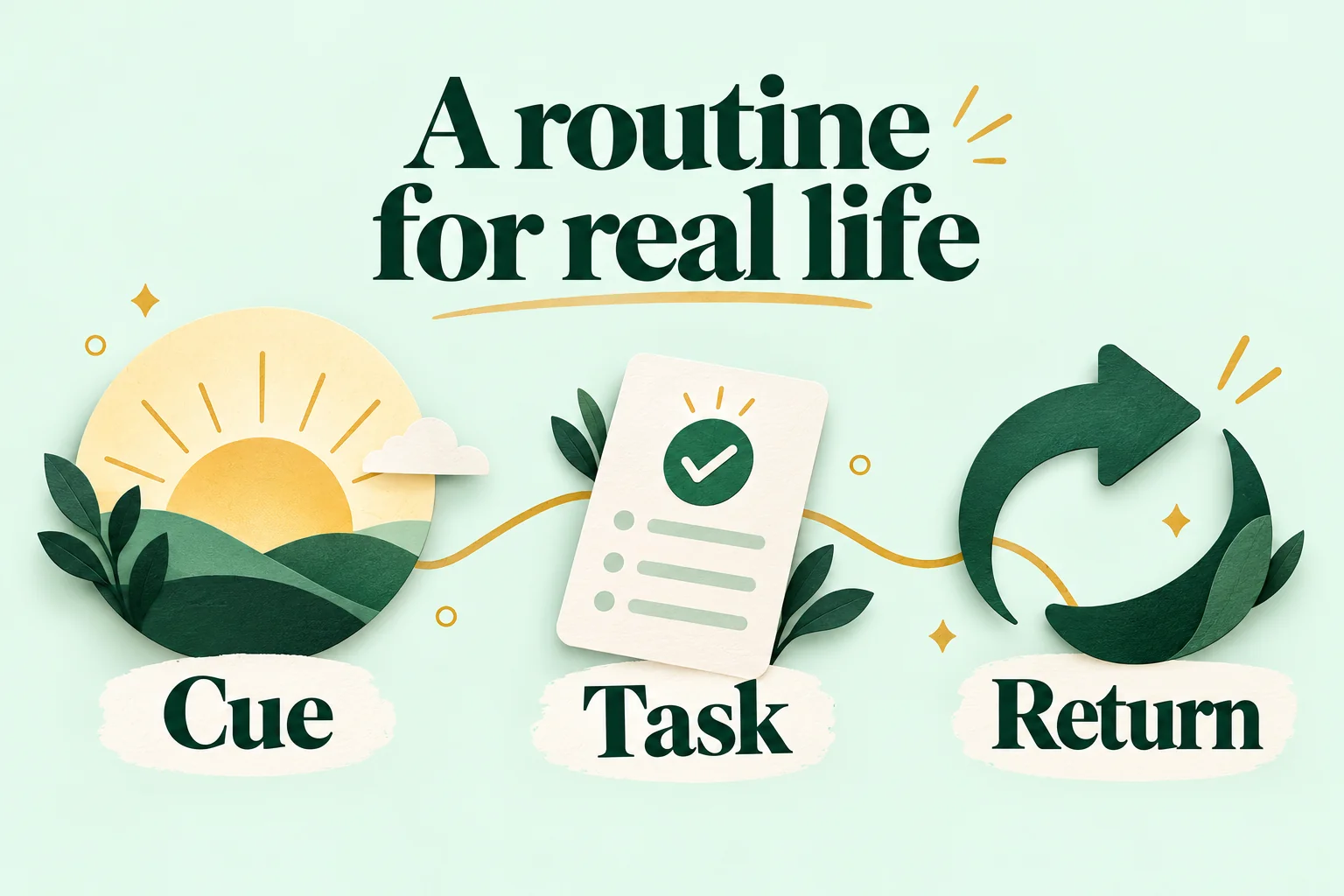
The six approaches below follow a practice session from preparing your passage to returning to it later. Choose an amount you can learn carefully, with your teacher’s guidance. Your pace can grow as your reading becomes more confident and your earlier work stays familiar.
1. Give your passage a quiet part of the day
Before you open your mushaf, the written copy of the Qur’an, put your phone somewhere you won’t keep reaching for it. Find the assigned passage and settle somewhere you can read aloud without frequent interruptions.
For some learners, that moment comes after Fajr. The house may be quieter, and work or school hasn’t yet begun. If you’re alert then, it’s worth trying. If you work nights or need more sleep, find another time when you can give the words your attention. Being tired and forcing yourself through a page can leave you repeating without noticing what you’re reading.
Before you begin, take a moment to:
- Find the exact beginning and end of your assigned passage.
- Put your phone out of reach and have your recommended recording ready.
- Read carefully and note any word or stopping point you need help with.
Quick tip
Choose a time when you can pay attention. If you’re too tired after Fajr, speak with your teacher about another regular practice time.
You might have twenty minutes today and much less tomorrow. Knowing which passage and correction to focus on helps you use the time you have. Our daily Qur’an routine guide can help you find a regular place for practice in your week.
2. Leave room for the verses you already know
There’s a particular satisfaction in learning something new. You finish the passage, close the mushaf and find you can recite it. It’s understandable to want to move straight on.
But try that passage again the next morning. You may discover a hesitation that wasn’t there yesterday. Earlier surahs can need attention too, especially when most of your practice has gone into new work.
The Prophet ﷺ taught us to keep returning to the Qur’an:
تَعَاهَدُوا الْقُرْآنَ فَوَالَّذِي نَفْسِي بِيَدِهِ لَهُوَ أَشَدُّ تَفَصِّيًا مِنَ الإِبِلِ فِي عُقُلِهَا
Meaning: Keep attending to the Qur’an. By the One who holds my soul, it escapes more readily than camels escape their restraints.
Sahih al-Bukhari 5033. English rendering of the meaning.
That continuing care belongs in your practice from the beginning. Give your teacher an honest picture of what you can recite without help, including older work that has become less certain.
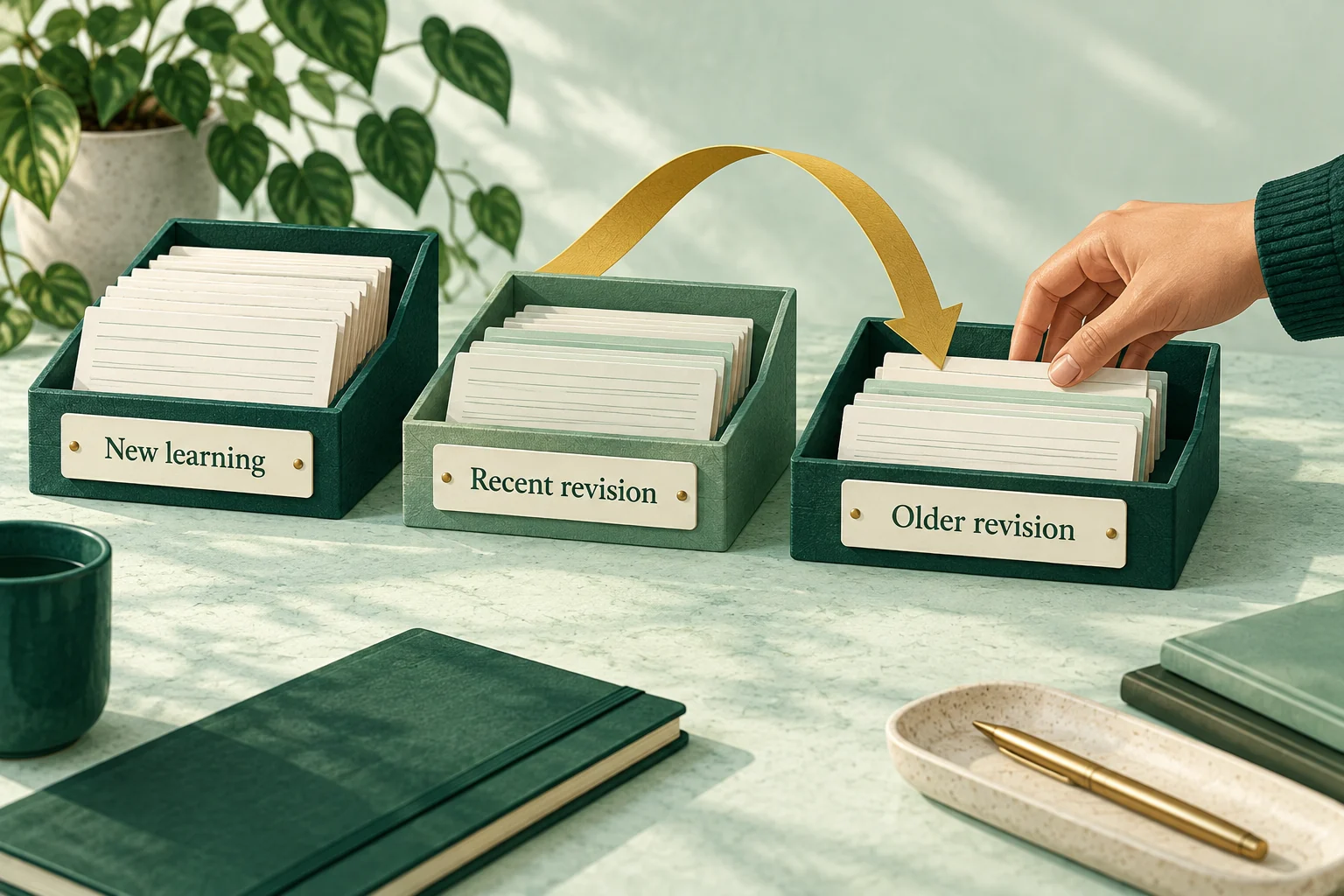
Some teachers organise hifz around sabaq, sabqi and daur. The names and amounts vary between programmes, but the distinction can help you understand what needs attention.
| Part of your practice | What you return to | What to discuss with your teacher |
|---|---|---|
| New memorisation, often called sabaq | The passage you’re learning now | Can you read it accurately, and is the amount manageable? |
| Recent revision, often called sabqi | Passages you’ve learned recently | Where do you still hesitate or need a prompt? |
| Older revision, often called daur | Earlier memorisation | Which passages need another careful check or more practice? |
Ask your teacher how these fit your learning. You don’t need to borrow someone else’s workload.
As you learn more, revision will need more space. Some sessions may be devoted to repairing earlier passages. Our Qur’an revision guide offers a starting point for discussing that balance.
3. Listen, follow the words and recite aloud
Open the passage and follow the text while listening to a reciter your teacher recommends. Notice the words and where the reciter pauses. Then read it yourself, slowly enough to hear what you’re saying.
If you’re unsure of a sound, return to the recording and let your teacher hear your attempt. A recording gives you a model; your teacher can help with the particular sound you’re making.
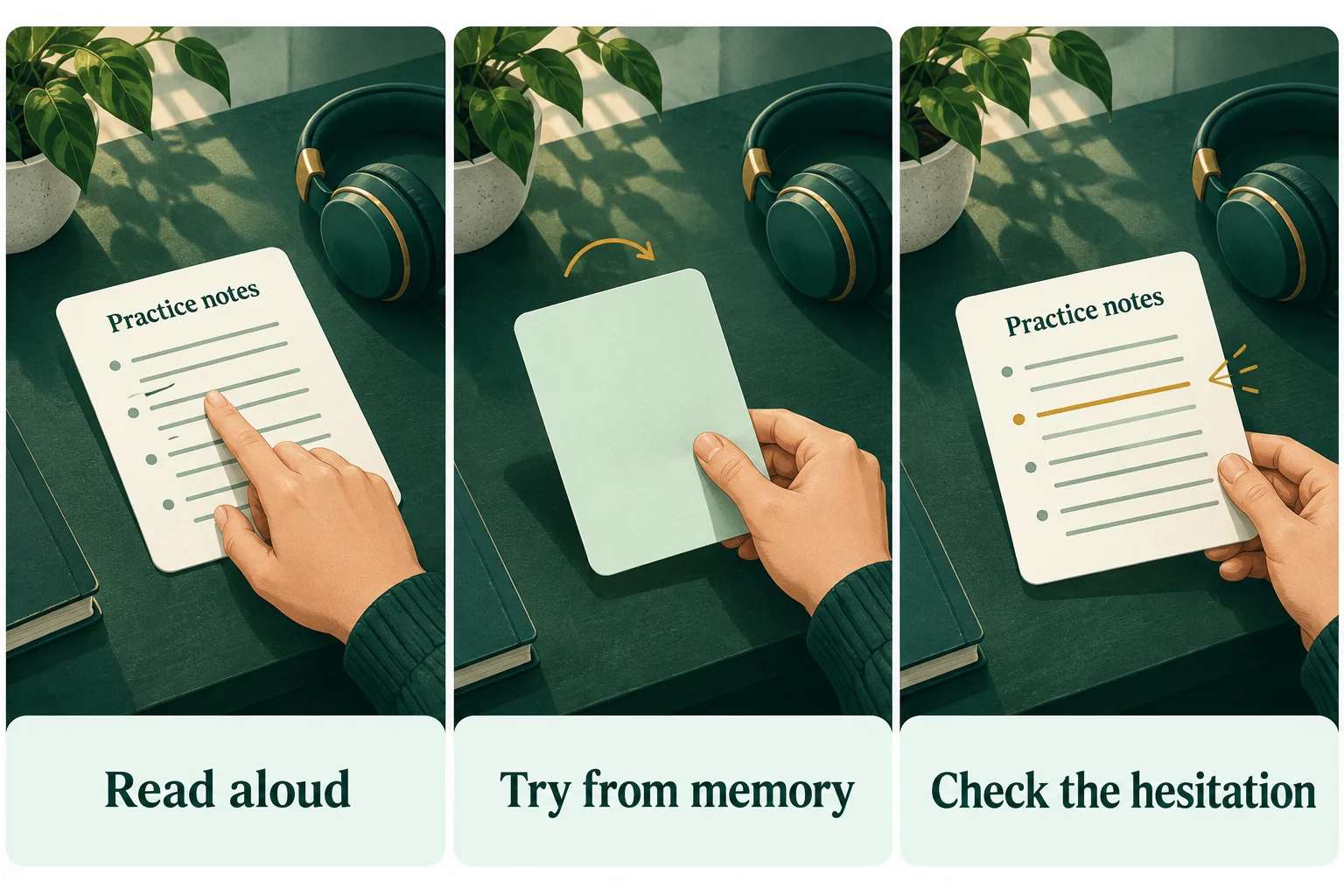
With a small portion, you can:
- Read aloud, following the words carefully.
- Look away and try to recite it from memory.
- Check the place where you hesitated and practise the correction.
You’re giving yourself a chance to find an uncertain word while the passage is still short enough to examine carefully.
Using the same mushaf can also give you familiar landmarks. You may remember an ayah beginning near the top of a page or a phrase ending a line. Let those details help you find your place while you continue practising the words themselves.
There’s no need to guess the next word to keep the recitation moving. If you’re uncertain, check. A mistake can be corrected; learning accurately before many repetitions gives you less to repair later.
4. Let someone hear what you can recall
After several readings, a passage can feel familiar enough that you think you know it. Looking away shows you which parts you can recall without the page.
Begin from the agreed starting point and recite to your teacher. If you need a prompt, notice where it happens. Perhaps you can say each ayah but lose your place at the join. Perhaps two similar phrases keep getting mixed up.
Those details give you something to work on. You can say, “I know both parts separately, but I get stuck moving between them.” Your teacher can listen to that transition and help you practise it.
If you’re nervous about reciting, tell them. A smaller passage or another attempt may help you settle. The lesson should give you room to learn from hesitation and correction.
A knowledgeable practice partner can listen between lessons too. Bring recurring difficulties back to your teacher, especially when you’re unsure about pronunciation or the guidance you’ve been given.
Quick tip
Tell your teacher where you needed help: “I can recite each ayah separately, but I lose my place between them.” That gives them a specific transition to listen to.
5. Correct the difficult part, then return to its surroundings
Suppose you keep saying the wrong word in the middle of an ayah. Restarting the whole passage each time can mean the beginning gets plenty of practice while that word remains uncertain.
When you reach the difficult word:
- Stop and check the wording.
- Read the corrected part carefully, then try it without looking.
- Practise it with the words immediately before and after it.
- Return to the wider passage and see whether the correction holds.
The surrounding words deserve attention because you need to reach the correction during recitation. Knowing an isolated word doesn’t always mean you’ll remember it at the right moment.
If the same mistake returns, make a brief note for your teacher. Ask them to listen to it again and help you decide what to practise. You may need another explanation, a smaller portion or more attention to the join.
For a child, keep the correction gentle. Give them time to try, and avoid turning every hesitation into a long interruption. If practice becomes upsetting, pause and speak with their teacher about what would help.
6. Notice meaning and similar wording
Sometimes the difficulty comes from a phrase that sounds like another passage you know. You start one ayah and continue with words from somewhere else.
Open both passages with your teacher and compare:
- The exact word or phrase that changes.
- The words immediately before it.
- How each passage continues.
Teachers may call these similar passages mutashabihat. A small reminder about the particular word you confuse can help you approach that point with more attention. Keep any notes outside the Qur’anic text, then practise each passage in its own order.
A reliable translation can also help you follow what the passage is saying. You may find it easier to remember the movement of an account or an instruction when you understand its meaning. Ask your teacher about unfamiliar expressions and explanations you don’t understand.
Avoid making up a reason for different wording because it makes a convenient memory cue. You can observe a difference accurately without claiming to explain why Allah chose it. Questions about interpretation deserve knowledgeable guidance.
Quick tip
Keep a brief reminder outside the Qur’anic text. Then recite each passage in its own order so you can check whether you still mix them up.
Bring the approaches together in your next session
Choose a short passage your teacher has checked. Listen while following the words, read it aloud and try a small part from memory. Check what you were unsure of before learning the next part.
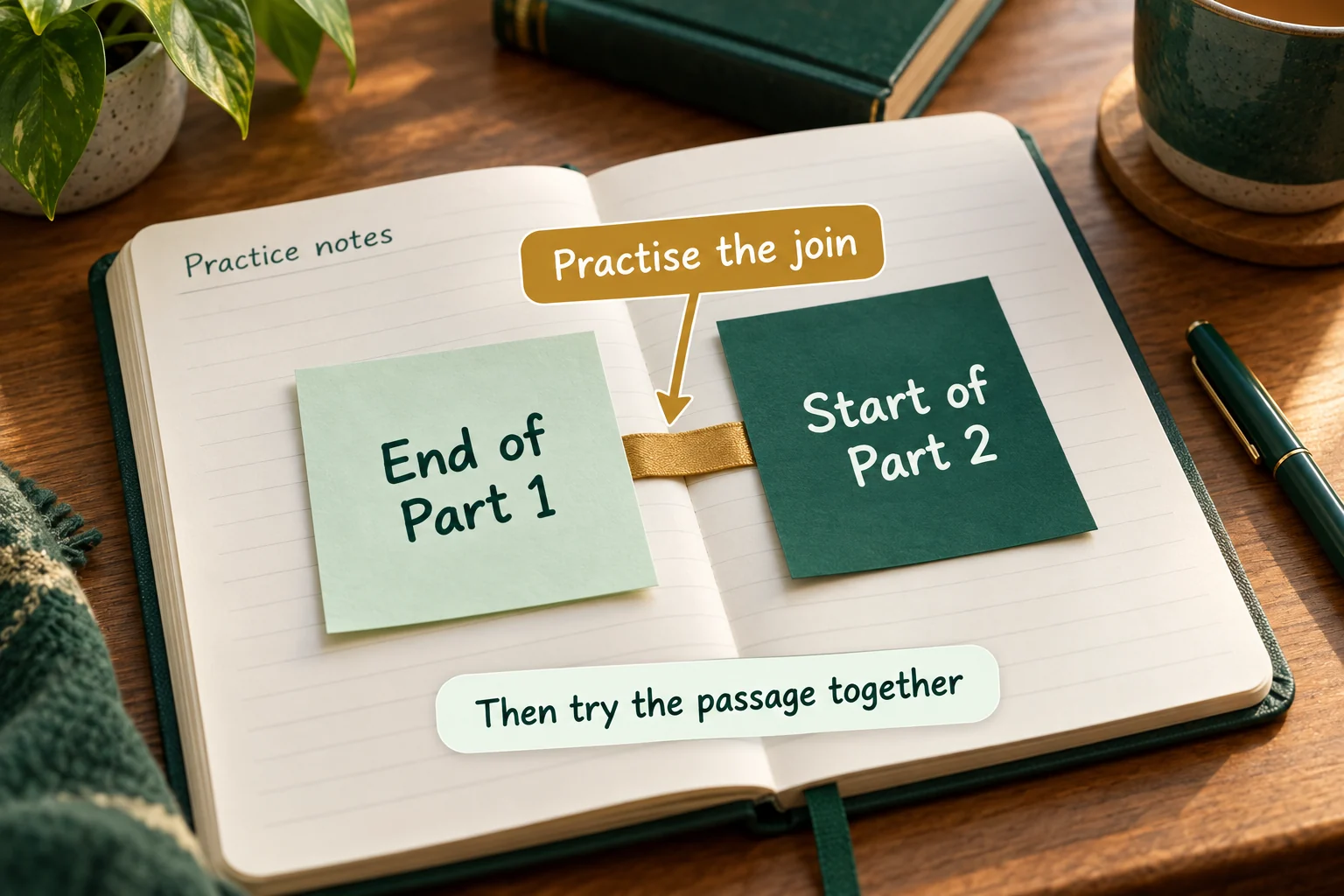
When both parts are familiar, join them. If you hesitate between them, practise the end of the first with the beginning of the second, then try the passage together.
Return later and see what you can still recite. Bring it to your teacher at the next lesson, including any places where you needed help. Keep earlier memorisation in the session too. If there isn’t enough time to care for both, discuss a smaller new assignment.
You don’t need to judge the session by how quickly you finished. Knowing where you hesitate and what to practise next gives you a useful way forward.
Allah says:
وَلَقَدْ يَسَّرْنَا الْقُرْآنَ لِلذِّكْرِ فَهَلْ مِنْ مُدَّكِرٍ
“And We have certainly made the Quran easy to remember. So is there anyone who will be mindful?”
Qur’an 54:17. Translation: Dr. Mustafa Khattab, The Clear Quran.
This invitation gives us hope as we turn to Allah’s words. A difficult passage can still need patient work, and your pace may change as your revision grows.
For your next lesson, bring one specific question about the passage you’re learning. Ask your teacher to hear that part and help you choose what to work on at home. You can also see how learning at The Hifz Academy works.
May Allah place barakah in your learning and help you live by the Qur’an you recite.